

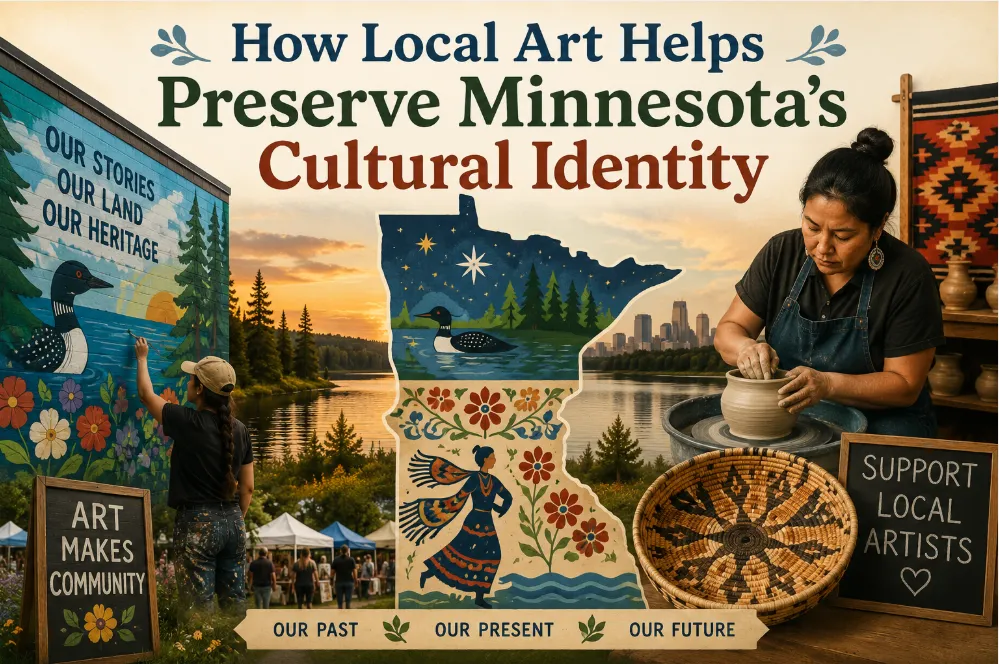
Understanding the Connection Between Art and Cultural Heritage
Every community has a unique story, and art plays a significant role in keeping those stories alive. In Minnesota, local artists help preserve traditions, celebrate diverse cultures, and document the state’s history through creative expression. From paintings and sculptures to handcrafted works and public murals, art serves as a bridge between the past and present.
One example of this cultural preservation can be seen through Minnesota Wood Prints, which reflect regional landscapes, historical influences, and traditional craftsmanship. These artistic creations not only showcase local talent but also help residents and visitors connect with Minnesota’s heritage in a meaningful way. As communities continue to evolve, local art remains an essential tool for maintaining a strong sense of identity and belonging.
The Role of Local Artists in Preserving History
Local artists often draw inspiration from Minnesota’s history, creating works that capture important events, traditions, and everyday life. Through their creativity, they document stories that might otherwise be forgotten.
Art provides a visual record of cultural experiences, allowing future generations to understand the values, struggles, and achievements of those who came before them. Whether depicting Indigenous traditions, immigrant communities, or rural lifestyles, artists contribute to preserving the diverse narratives that shape Minnesota’s identity.
Many galleries, museums, and community exhibitions feature works that highlight historical themes, helping audiences learn about the state’s past in an engaging and accessible way.
Celebrating Cultural Diversity Through Creative Expression
Minnesota is home to people from a wide range of cultural backgrounds. Local art offers a platform for these communities to share their traditions, beliefs, and experiences with a broader audience.
Artists often incorporate cultural symbols, storytelling techniques, and traditional practices into their work. This not only strengthens cultural pride within communities but also encourages understanding and appreciation among different groups.
Public art projects, cultural festivals, and community exhibitions create opportunities for people to engage with diverse perspectives. By showcasing a variety of artistic voices, Minnesota continues to build a richer and more inclusive cultural landscape.
Strengthening Community Connections
Art has the power to bring people together. Local art events, workshops, and exhibitions encourage community participation and create spaces where individuals can connect through shared experiences.
When residents support local artists, they contribute to a stronger sense of community identity. Public murals, sculptures, and cultural installations often become landmarks that reflect local values and collective memories.
These artistic projects can also foster civic pride by highlighting what makes a community unique. Residents feel more connected to their neighborhoods when they see their stories, traditions, and achievements represented through art.
Supporting Traditional Skills and Artistic Techniques
Many local artists preserve cultural identity by continuing traditional artistic practices that have been passed down through generations. These skills often include woodworking, textile arts, pottery, printmaking, and other handcrafted techniques.
By teaching these methods to younger generations, artists help ensure that important cultural traditions remain alive. Workshops, educational programs, and community art centers play a vital role in transferring knowledge and encouraging appreciation for traditional craftsmanship.
The preservation of these artistic techniques contributes to the cultural richness of Minnesota and helps maintain connections to the state’s historical roots.
The Impact of Public Art on Cultural Identity
Public art serves as a visible reminder of a community’s heritage and values. Murals, monuments, and sculptures can transform public spaces into cultural landmarks that tell local stories.
In Minnesota, public art projects often celebrate historical figures, Indigenous heritage, natural landscapes, and community achievements. These installations create opportunities for residents and visitors to learn about local culture while enhancing the visual appeal of public spaces.
Because public art is accessible to everyone, it plays an important role in promoting cultural awareness and encouraging ongoing conversations about history, identity, and community values.
How Art Education Helps Preserve Cultural Heritage
Art education is essential for sustaining cultural identity over time. Schools, museums, and community organizations help introduce younger generations to local artistic traditions and cultural history.
Educational programs encourage students to explore their heritage while developing creative skills. Through hands-on experiences, they gain a deeper understanding of the cultural influences that have shaped Minnesota.
By investing in art education, communities help ensure that cultural knowledge is passed forward and that future artists continue to celebrate and preserve local traditions.
Encouraging Economic Growth While Preserving Culture
Local art not only strengthens cultural identity but also supports economic development. Art fairs, galleries, exhibitions, and creative businesses attract visitors and generate revenue for local communities.
When people purchase artwork or attend cultural events, they directly support artists and creative organizations. This investment helps sustain cultural initiatives while creating opportunities for artistic innovation.
Events and exhibitions across the state continue to highlight the importance of art in both cultural preservation and economic growth. Many art enthusiasts also explore showcases such as the Minnesota State Fair Fine Arts to experience the creativity and talent that reflect Minnesota’s artistic heritage.
Conclusion
Local art plays a vital role in preserving Minnesota’s cultural identity by celebrating history, supporting diverse communities, and maintaining traditional artistic practices. Through creative expression, artists help tell the stories that define the state and strengthen connections between generations.
As communities continue to grow and change, local art remains a powerful tool for preserving heritage and fostering a sense of belonging. By supporting artists, participating in cultural events, and encouraging art education, Minnesotans can help ensure that their unique cultural identity continues to thrive for years to come.
